Tuesday, October 27, 2026

Extending Ethernet Over 100 Meters via Fiber Media Converters

Twisted-pair copper Ethernet begins to lose reliability around the 100-meter mark, and a fiber media converter serves as the component that transports identical data over the remaining distance.

Consider a situation where a camera pole is located 210 meters from the closest low-voltage enclosure, with the trench already filled in. At the far end, the installer sees a functioning switch, a lit link indicator on the camera, and a data flow that hiccups intermittently. No hardware is faulty, no configuration is wrong, and the cable passes all tests. The root cause lies in the transmission medium itself: Ethernet over twisted pair has a distance constraint rooted in physics rather than in software settings. Grasping the reason behind that limitation makes it far simpler to recognize where a fiber media converter fits into the link, what it actually alters, and what remains unchanged at both ends.

Why Copper Ethernet Runs Usually Stop Near 100 Meters

The 100-meter figure is neither a marketing gimmick nor a holdover from networking's early days. Instead, it represents a channel budget embedded in the design of Ethernet transceivers. According to Fluke Networks, the 100-meter rule defines a total path limit encompassing patch cords, horizontal cabling, and every intermediate connection, measured from the switch port all the way to the end device. Each transceiver is engineered to recover data within a specific margin of signal loss and noise. When the link stays within that margin, it operates at full speed. Exceed it, and the receiver must exert more effort to achieve the same outcome. In practice, this manifests as behavior rather than a hard failure. A run that is marginally too long often negotiates down to 100 Mbps instead of 1000 Mbps, because the two ends agree on a signaling scheme that can handle the weaker signal. For a camera or media stream, the first sign is typically sporadic: a few dropped frames, a flurry of retransmissions, or a stream that freezes for two seconds then resumes. Since these errors are random, a link may pass a quick ping test yet remain unsuitable for continuous video. Temperature exacerbates the issue, which explains why a lengthy outdoor run may function in January but fail in August.

1. Copper Attenuation Weakens High-Speed Signals as Distance Increases

Each meter of copper introduces insertion loss, and this loss does not affect all frequencies equally. Higher frequencies degrade more rapidly, and since gigabit Ethernet over twisted pair utilizes all four pairs at a high symbol rate with multi-level signaling, every pair carries a dense analog waveform rather than a simple on-off pulse. By the time that waveform arrives at the far end, its rapid transitions have been smoothed out and its amplitude reduced. The receiver must still extract the desired signal from crosstalk originating from adjacent pairs and from ambient noise accumulated along the path. As distance increases, the wanted signal diminishes while the noise floor remains relatively constant, causing the margin between them to shrink. Eventually, that margin becomes insufficient.

2. Signal Integrity Limits Matter More Than Cable Category Alone

Upgrading cable helps, and it is important to quantify how much. Cat6 offers lower insertion loss and superior crosstalk characteristics compared to Cat5e, making it the recommended option for any new gigabit installation. What it does not do, however, is extend the reach. The 100-meter limit derives from the entire channel, accounting for insertion loss, near-end and far-end crosstalk, return loss, and delay skew between pairs, along with the assumption that the physical-layer chip at each end was designed for that budget. A premium cable shifts these parameters in a favorable manner, which is why a well-performing Cat6 link provides more headroom than a marginal Cat5e link, but the transceiver still expects a compliant channel. Cable quality safeguards the link within the limit; it does not push the boundary outward.

Where a Fiber Media Converter Sits in an Extended Ethernet Link

A useful way to conceptualize a media converter is as a splice in the middle of the path rather than as a substitute for anything. Copper remains copper at both endpoints, with conversion points located where the copper runs are still short. At the near side, a switch port feeds a patch cord into the converter's RJ45 interface. Inside, the electrical signal is transformed into an optical one. This optical signal exits through the FX port, traverses the long central portion of the route on fiber, and reaches a second converter at the far end, which converts it back into an electrical Ethernet signal for the local equipment. Each copper segment stays well within its own distance limit, while the fiber handles the section that copper cannot cover. A four-port converter makes this setup practical for a camera cluster or a small outdoor enclosure, as it eliminates the need for an additional device in the chain. For instance, Miray's 4-port Ethernet-to-fiber media converter pairs four 10/100/1000Base-Tx RJ45 ports with a single 1000Base-Fx port, enabling up to four local devices to connect directly and share one fiber uplink without requiring a separate small switch in front of a single-port converter. That same unit is rated for single-fiber single-mode transmission up to 20 km at Tx 1310 nm / Rx 1550 nm, consumes 1.5 W under full load, and offers 12 Gbps of switching capacity in a 95 × 70 × 25 mm housing that fits into a cramped low-voltage enclosure. Two points deserve attention during planning: the 20 km figure is a factory rating for that specific model rather than a universal guarantee for any fiber route, and a single-fiber link requires the complementary wavelength at the opposite end to prevent the two directions from interfering on the same strand.

How Fiber Changes the Physical Medium Without Changing the Core Network

The conversion takes place at the physical layer, meaning that everything operating above it continues to function as before. Ethernet frames depart from one device carrying the same MAC addresses, VLAN tags, IP subnet, and priority markings they would have had on a purely copper path. The converter does not inspect, rewrite, or route these frames; it simply transmits bits across a different medium. Switches, routers, and firewalls at both ends require no configuration changes, and the switch port connected to a converter sees a standard gigabit Ethernet link. Fiber itself is straightforward in concept: light travels through a glass core, and single-mode fiber employs a very small core that confines light to essentially a single path, which makes it ideal for long distances far beyond what copper can handle. There are additional advantages that are significant in real-world deployments. Because fiber is dielectric, a run between two buildings cannot establish a ground potential difference between them, nor does it pick up electrical interference from motors, drives, or nearby power cables. This is why fiber is frequently the pragmatic solution in industrial environments where a copper run passes bench tests but misbehaves on site. The trade-offs are equally tangible: fiber connectors must be kept clean, the converters require local power at both ends, and the copper segments adjacent to each converter still adhere to the 100-meter rule. Fiber extends the path in the middle; it does not exempt the final few meters of patch cord at either end from the same budget that caused the long run to be problematic initially.

Conclusion

The 100-meter limit on twisted-pair Ethernet is a channel budget, not a mere annoyance that can be circumvented with superior cabling. Attenuation and crosstalk erode the margin required by a gigabit receiver, and once that margin is depleted, the prudent course is to switch the medium rather than attempt to extend the copper further. In such a scenario, a fiber media converter performs precisely one function: it occupies each end of an over-distance span and transfers traffic between copper and fiber without affecting anything above the physical layer. Verifying the rated fiber distance, the wavelength pairing, and the copper segment lengths on both sides of each converter provides enough information to design a link that performs consistently for years rather than intermittently for months.

FAQ

Q:Why does twisted-pair Ethernet stop around 100 meters?

This limitation stems from the signal budget for which Ethernet transceivers are engineered, encompassing insertion loss, crosstalk, and noise throughout the entire channel from switch port to device. As the distance increases, copper attenuates the higher-frequency components of the gigabit waveform, causing the signal at the far end to weaken while the noise floor remains relatively constant. When the margin becomes too narrow, the link either downgrades to a lower speed or generates sporadic errors rather than failing completely.

Q:Where does a fiber media converter sit in an over-100-meter Ethernet link?

It is positioned at both ends of the portion of the path that copper cannot serve. The device or switch attaches via a short patch cord to the converter's RJ45 port, the converter's FX port sends the optical signal over the long central section, and a second converter at the opposite end converts the light back into electrical Ethernet for the local hardware. Copper is employed only where distances are short, while fiber handles everything in between.

Q:Does a media converter extend an Ethernet run without changing the core network?

Yes. Because the conversion occurs at the physical layer, frames move with the same MAC addresses, VLAN tags, and IP addressing they would have used on a purely copper path. Switches, routers, and firewalls at both ends retain their current configuration, and the port that connects to a converter appears as a standard gigabit Ethernet link. The only substantive difference is the medium transporting the signal across the extended segment, along with the requirement for local power at each conversion point.

Sources / References

Knowledge Base | Fluke Networks

IEEE SA - The IEEE Standards Association

The FOA Reference For Fiber Optics - Optical Fiber

Related Examples

Miray Optical Transceivers official product listing

Monday, October 26, 2026

What a Lab Grown Diamond Necklace Supplier Manages in Production

Introduction: A supplier of lab grown diamond necklaces oversees a number of specialized phases, ranging from sourcing and cutting the center stone to handling metal components, gem setting, surface finishing, and a final quality review.

A finished lab grown diamond necklace is seldom made at a single workbench. More often, it moves through a sequence of choices and transfers: selecting a center stone, deciding on its cut and grade, choosing the metal to hold it, assigning setters, and arranging polishing and inspection. Knowing this sequence helps those learning the jewelry supply chain and newcomers in the industry understand why a supplier sometimes appears to be a manufacturer while actually managing a network of different workshops. The more helpful question is not which supplier is superior, but who handles each production step.

What a Lab Grown Diamond Necklace Supplier Usually Coordinates

A lab grown diamond necklace supplier functions as the coordinator for the order. This role begins before any metal is cast or any stone is placed. The supplier turns a necklace request into work instructions for various specialists: the center stone, accent stones, metal selection, chain length, pendant style, and finishing requirements. A customizable lab grown diamond necklace can incorporate lab grown center stones created via HPHT or MPCVD, and metal options include 10k, 14k, 18k gold, and PT. Length, style, center stone size, and accent arrangements are all adjustable, and the design may come from buyer sketches or a style library. In practice, the supplier verifies what is feasible, which specialist handles each step, and how the finished necklace will be evaluated. The coordination continues throughout the entire job. The supplier might reserve or source stones, send cutting instructions, brief a metal component maker, pass the cut stones and metal parts to a setting workshop, and then arrange finishing and inspection. Quality checks are embedded in the handoffs: stone measurements and matching before setting, metal parts inspected for shape and surface prior to mounting, settings examined for security after mounting, and the completed necklace reviewed for polish, clasp function, and overall balance. A supplier does not need to own every workbench to manage this flow. Many suppliers operate through a network of cutters, casters, setters, polishers, and inspectors, and their value lies in maintaining clarity throughout the sequence.

How Diamond Cutting, Setting, and Finishing Work Are Divided in Necklace Manufacturing

The division of labor depends on the workshop network behind the necklace. Some suppliers keep more steps under a single roof; others coordinate separate specialist firms. A custom lab grown diamond necklace manufacturer may retain more of these steps in-house, but many suppliers still manage separate cutting, setting, and finishing workshops. In either case, the manufacturing logic follows the same basic sequence: the stone must be cut and graded before it can be set, the metal parts must be prepared before setting, and finishing and inspection occur after the stones are secure. That order matters because a later step cannot correct an earlier mistake. A poorly matched set of accent stones will still appear uneven after polishing, and a weak setting will remain weak even after the final shine.

1. Diamond Cutting and Grading Decisions Usually Happen Before Necklace Assembly

Lab grown diamond cutting and grading occur early in the chain. Whether the center stone begins as an HPHT or MPCVD crystal, a cutter plans the shape, proportions, and polish so the stone performs well in a necklace. Grading decisions about color, clarity, cut, and carat weight are typically made before the stone reaches a setter, because these details determine what kind of setting can hold the stone and how the finished pendant will look. For a necklace, the cutter and grader also affect accent matching. Small accent stones must appear consistent in size, color, and brightness when arranged around a center stone. A quality check at this stage examines measurements, symmetry, polish, and whether the center stone and accents are visually compatible.

2. Metal Parts and Stone Setting Often Depend on Separate Specialist Workshops

Metal component production and stone setting are frequently separate from diamond cutting. A metal workshop may produce the chain, clasp, pendant frame, or other structural elements. The choice of 10k, 14k, 18k gold or PT influences how that workshop operates: these metals differ in hardness, density, melting behavior, and polishing response. A 10k gold part may behave differently on the bench than an 18k gold part, and platinum requires its own handling due to its density and working temperature. The setting workshop then takes the cut stones and the prepared metal part and secures the center stone and any accents. Setting is a precision step: the setter must keep the stone level, protect the girdle, and ensure the metal holds the stone without blocking too much light. Finishing may be performed by the same setting workshop or by another specialist. Finishing includes polishing the metal, cleaning the piece, verifying the stones are tight, and confirming the necklace moves and hangs correctly. A final quality check usually covers stone security, metal surface, clasp function, chain length, and pendant balance. The supplier coordinates all these separate responsibilities, but it does not always directly employ the cutter, caster, setter, and polisher. That is why two necklaces with similar designs can take different workshop routes.

Why Necklace Design, Metal Choice, and Accent Arrangement Change the Workflow

Design source changes the workflow because it alters how many decisions must be translated before production. A design from a buyer drawing may require the supplier to interpret proportions, stone placement, and finishing details for each specialist. A design chosen from a style library may already have known component patterns, which can reduce the amount of new coordination. In both cases, the supplier still has to map the design to real stones and real metal parts. A drawing can look simple while requiring a custom pendant frame, a specific accent layout, or a chain style that needs a different clasp. Metal choice and accent arrangement change the workflow in more concrete ways. A larger center stone may need a stronger setting and a heavier pendant frame, which alters metal preparation and setting time. Accent stones add matching work, more setting seats, and another quality check after setting. The metal itself also changes the bench steps: 10k, 14k, and 18k gold have different gold contents and working properties, while PT is denser and often requires different polishing and finishing routines. Chain length and style affect the chain and clasp components, not just the pendant. The supplier's coordination role is to keep these choices connected, so a change in one area does not create a mismatch in another. The exact workflow varies by workshop and necklace design. Publicly stated product details for a customizable necklace do not fix a single carat weight, chain length, or default certificate, because those details are set per order.

Conclusion

A lab grown diamond necklace supplier coordinates more than it manufactures. It turns a necklace request into a chain of responsibilities: diamond cutting and grading, metal component production, stone setting, finishing, and final quality checks. Cutting and grading usually happen before assembly, while metal parts, setting, and finishing often sit with separate specialist workshops. Design source, metal choice, center stone size, and accent arrangement all change how many handoffs are needed and where checks belong. For readers learning the jewelry supply chain, that division is the key idea: the supplier is often the coordinator of the workflow, not the owner of every bench. A product example such as the EASYDIAMONDVALUE customizable lab grown diamond necklace shows how 10k, 14k, 18k gold, PT, center stone, length, style, and accent options can be presented as customizable choices rather than fixed configurations.

FAQ

Q:What does a lab grown diamond necklace supplier usually coordinate before a necklace is finished?

A:A supplier usually coordinates the center stone and accent stone sourcing or cutting, grading decisions, metal component preparation, stone setting, finishing, and final quality checks. It also manages the handoffs between those steps, so the cut stones, metal parts, and setting instructions arrive in the right order. The supplier may not own every workshop, but it keeps the workflow connected and confirms that the finished necklace matches the requested metal, length, style, center stone size, and accent arrangement.

Q:Are diamond cutting and necklace setting always handled by the same company?

A:No. Diamond cutting and grading often happen in a specialist cutting workshop, while necklace setting may happen in a separate setting workshop. Some larger suppliers may keep cutting, setting, and finishing in-house, but many coordinate independent specialists for each stage. The exact split depends on the supplier's network and the necklace design. What matters is that the cut stones are ready and matched before the setter begins, and that setting security is checked before finishing.

Q:How do 10k, 14k, 18k gold and platinum choices affect the manufacturing steps for a lab grown diamond necklace?

A:The metal choice affects casting, soldering, polishing, and setting work. 10k, 14k, and 18k gold contain different gold proportions and behave differently on the bench, while PT is denser and usually needs its own polishing and finishing routine. These differences can change how a pendant frame is prepared and how the setter works with the metal. For a customizable necklace, 10k, 14k, 18k gold and PT are available options, and the supplier adjusts the manufacturing steps to suit the selected metal.

Sources / References

Responsible Jewellery Council Code of Practices

DCA Jewelry Sales Education

The Santa Fe Symposium

Related Examples

EASYDIAMONDVALUE customizable lab grown diamond necklace

Sunday, October 25, 2026

Identifying a LiFePO4 Battery Cell Manufacturer for Custom PACK Projects

Introduction: In custom PACK projects, failures typically stem not from the design drawings but from cells that appear identical on paper yet perform differently when connected in series.

The cell supplier dictates how far a design progresses from pilot build to full-scale production. Often, a PACK assembler or industrial equipment manufacturer makes the supplier choice late in the process—after the design is finalized, the BMS selected, and enclosure drawings approved. The only remaining variable is the cell source, which determines pack consistency, field failure rates, and the speed of scaling from pilot to volume. Sourcing from a LiFePO4 battery cell manufacturer that controls cathode material and operates automated cell and PACK lines differs significantly from buying through a trader. The contrast typically becomes evident in the second and third production runs rather than the first. Material control, production scale, and engineering support ultimately decide whether the partnership endures.

What Custom PACK Projects Need from a LiFePO4 Battery Cell Manufacturer

The foremost requirement is a cell that maintains its rated performance during manufacturing, not just on paper. In a multi-cell configuration, minor variations in capacity and internal resistance accumulate along the string. The weakest cell works hardest, heats up first, and progressively reduces usable pack capacity. Consequently, internal resistance and rate capability are more critical in PACK applications than in single-cell use. The JGPFR26650P is a 3.2V 3000mAh full-tab LiFePO4 battery cell featuring ≤5mΩ AC internal resistance, 20C continuous discharge (60A), and 150A pulse discharge. A pack built with this cell can handle high-current demands without needing extra cells for compensation. Its charging rate is up to 3C at 25°C, and cycle life reaches ≥3,000 cycles at 1C/1C, 25°C, 100% DOD, with ≥80% capacity retention. The second essential factor is documentation and continuity. Certificates like UN38.3, IEC62133, CE, CB, RoHS, REACH, and MSDS become relevant early in transport planning and market entry. Destination-market and product-category regulations dictate the final approval file, so the cell certificate set should be available from the project's outset. Beyond paperwork, the true test is whether the supplier consistently delivers the same cell specification across repeat orders and can scale with the project as volume increases. A LiFePO4 battery manufacturer that owns its production responds with actual capacity, not just promises.

How Vertical Integration Supports Batch Consistency and Wholesale Supply

Many procurement teams shift from trading companies to genuine manufacturers seeking batch consistency. When a wholesale LiFePO4 battery order is received, the cells should perform identically to those from the previous order: the same capacity band, internal resistance, and aging behavior. Vertical integration is among the few structural approaches that achieve this, as it eliminates transfer points where variation can enter. At Goldencell, the entire chain—from cathode material to cell production to pack assembly—operates under one roof within a 200,000㎡ manufacturing site.

  • Cathode material control. A 17,826㎡ material facility outputs 20,000 tons of LiFePO4 cathode annually upstream of cell manufacturing. Since cathode formulation and consistency contribute heavily to cell-to-cell variation, in-house material production tightens the input before electrode winding starts.
  • Automated cell production. With 5GWh of automated cell capacity and a daily output of 850,000 LiFePO4 cells, production runs on scheduled lines rather than short campaigns. This results in more consistent lot-to-lot behavior and a clearer picture of wholesale supply capabilities.
  • PACK line capacity. An additional 5GWh of automatic PACK capacity spread across 20 automated PACK lines ensures that cell supply and pack assembly remain within the same operation. If a pilot build necessitates a change, the cell and assembly sides adjust simultaneously instead of relying on an external party.
  • Quality traceability. A TS16949 quality management system links cells and completed packs to their production records. Automotive-grade quality systems serve as a standard benchmark in battery manufacturing, and this rigor becomes important when a batch issue emerges months after delivery.

Collectively, these features mitigate the two primary risks in long-term supply relationships: cells that shift between batches and a partner unable to scale when order volumes increase.

How OEM/ODM Support Works from Cell Selection to Pack Assembly

OEM/ODM collaboration on a custom pack starts with the duty cycle, not the model number. The pack's required performance—continuous current, pulse demand, charge window, operating temperature, expected service life—determines which cell is suitable before any other discussions begin. The conversation then progresses to BMS architecture and communication protocol, followed by mechanical design: cell holders, busbars, enclosure layout, and thermal path. Goldencell develops its own BMS hardware, firmware, and protocols, which shortens the turnaround from a design change to a confirmed build. Cylindrical electrode design has been a busy area for global patent filings, and Goldencell holds over 340 patents. Support continues through the pilot build, where assumptions meet reality: weld quality, connector selection, thermal measurements, BMS cut-off values, and pack performance under an actual load profile. A supplier that manufactures both cells and packs keeps these adjustments within a single engineering team rather than splitting them across two vendors. For buyers outside China, a USA branch offers a local contact for technical and commercial discussions. Commercial terms are project-specific, so the quickest way to get a tailored response is to submit a quote request based on actual requirements rather than a general inquiry. When evaluating LiFePO4 battery options, an engineering discussion often provides more insight than a catalog.

Conclusion

Sourcing for custom PACKs comes down to whether the supplier produces its own cathode material, operates automated cell and PACK lines, adheres to an automotive-grade quality system, and supports the level of customization your design requires. These factors speak more to long-term supply reliability than any price negotiation. The JGPFR26650P offers a concrete reference point: 3.2V, 3000mAh, ≤5mΩ AC internal resistance, 20C continuous and 150A pulse discharge, and ≥3,000 cycles at 1C/1C, 25°C, 100% DOD. Provide your cell model, pack voltage, BMS protocol, and target volume, then request the datasheet and a project-specific quotation.

FAQ

Q:What should custom PACK projects expect from a LiFePO4 battery cell manufacturer?

A:Look for a cell that maintains its rated performance throughout production, not just on the spec sheet. This requires consistent capacity and internal resistance across lots, a certification set covering UN38.3, IEC62133, CE, and CB for transport and market entry planning, and sufficient production capacity to scale from pilot builds to repeat orders. Rate capability should also be considered: the JGPFR26650P is specified with ≤5mΩ AC internal resistance and supports 20C continuous and 150A pulse discharge.

Q:How does vertical integration affect batch consistency for wholesale LiFePO4 battery orders?

A:Vertical integration starts upstream with cathode material and extends through cell winding and pack assembly. Manufacturing LiFePO4 cathode in-house reduces the variation that emerges between production lots, while automated cell lines preserve consistency as volumes increase. In a multi-cell pack, this consistency keeps the string balanced over thousands of cycles. That is why wholesale orders from a manufacturer typically perform more predictably than packs built from mixed cell sources.

Q:Can an OEM LiFePO4 supplier support both cell supply and PACK assembly?

A:Yes. Goldencell produces both cells and packs within the same operation and manages OEM/ODM development covering cell selection, BMS hardware and firmware, communication protocols, and pack structure. A single engineering contact oversees both cell and assembly sides, which reduces turnaround time when a pilot build requires modifications before volume production. Project specifications submitted via the quote form reach the team responsible for both stages.

Sources / References

Energy Supply Sustainability & Efficiency | BSI

Technology Transfer Training Needs Assessment | WIPO

IEEE 1188 | IEEE SA

Related Examples

JGPFR26650P-3000mAh-3.2V Full-Tab LiFePO4 Battery Cell

Saturday, October 24, 2026

rain roof padel courts understanding their role in training and casual play

Introduction: A rain roof padel court can strengthen everyday communication when its weather advantages are framed as mitigation rather than guaranteed usage.

For those planning content at a sports facility, the difficulty is rarely whether an outdoor court with a roof sounds appealing. The more demanding task is selecting phrasing that fits actual applications without turning a canopy into a promise that the court performs in all weather. Daily training, informal matches, and competitions with training sessions are all reasonable settings when the court is described with precision. The essential point is to link the rain roof to shade, limited weather shelter, and improved reliability for outdoor facility scheduling, while keeping official tournament certifications, evening lighting references, and site-specific operational constraints out of the text.

Daily Practice and Casual Match Language Should Start With Use Rhythm

Daily practice describes a scenario governed by routine. It implies repeated training sessions, coaching exercises, warm-ups, recreational hitting, and short matches that a sports venue might want to hold on a regular basis. A rain roof padel court fits this language because the canopy can lessen some environmental disruptions, primarily direct sunlight and mild rain exposure. This does not mean the facility can ignore surface conditions, wind, drainage, temperature, local safety protocols, or maintenance demands. The stronger messaging angle is that a covered outdoor padel court helps facilitate more predictable practice scheduling than an uncovered one, particularly when users expect a blend of structured training and casual play. Casual match wording carries a slightly different nuance. It is less tied to formal coaching and more centered on easy player access: friends reserving a court, club members playing after work, or players of varied skill levels using the space for social competition. This is where phrasing like "outdoor sports venue" can be appropriate, because the court is not being presented as a high-level event location. The planner can describe the court as appropriate for informal match use as long as the claim stays connected to the tangible court design: a regulation padel playing surface, enclosure parts, artificial grass, glass, steel structure, and a covering that enhances comfort. The wording should not suggest that every casual match can continue through heavy rain, strong winds, reduced visibility, or unsafe court conditions. The phrase "competitions and training" demands extra caution because it bridges everyday use and formal event terminology. In an informational article, it is best handled as a broad facility scenario: the court may accommodate organized training, club-level events, internal competitions, or structured practice sessions. That is distinct from asserting that the venue is certified for a specific federation event, professional tournament, or official match category. FIP regulations can provide general context for padel and the importance of court dimensions and match rules, but they should not be used to imply that a particular commercial court model automatically qualifies for every level of competition.

The Canopy Helps Weather Mitigation, Not Unlimited Outdoor Availability

A canopy changes how an outdoor padel court is perceived because it introduces an overhead protective element to an otherwise open structure. In building terminology, a canopy is commonly understood as a covering that can offer shelter or shade. In a padel context, that definition supports practical content phrasing: the rain roof can help minimize direct sunlight, provide some rain protection, and make the court feel more functional across a broader range of typical daytime conditions. The safe concept is mitigation. The risky concept is total weather independence.

Canopy Language Should Describe Weather Mitigation Rather Than Absolute Availability

For training content, the canopy should be described as a feature that improves comfort and limits certain weather-related disruptions. Phrases like "supports practice in sunny or cloudy rainy conditions" are more supportable than "usable in all weather." A roof cannot, on its own, address concerns about wind loads, storm conditions, drainage capacity, slippery surfaces, temperature, regional climate, or operational safety decisions. This distinction is important because sports facility readers may incorporate the article language into brochures, product pages, or planning documents. Cautious phrasing keeps the claim practical without turning the canopy into an engineering assurance.

Training Scenarios Should Stay Separate From Certified Match Claims

Training language should remain grounded in player activity, not certification levels. A padel court with roof for competitions and training can be described as suitable for practice sessions, drills, recreational play, and structured facility programming. Certified match claims require a separate level of evidence, including the regulations of the governing body, venue criteria, inspection procedures, and local project conditions. This article's scenario focus should not shift into official match qualification. That distinction protects the content from overpromising about the court while still enabling a planner to explain why a covered outdoor court may be beneficial for everyday training applications.

WP004 Provides a Practical Reference for Conservative Scenario Wording

Well Play's WP004 Padel Tennis Court With Rain Roof offers a concrete illustration of how scenario language can be based on confirmed product features. It is presented as a canopied C-shaped padel pitch with a 20m x 10m court size and a 200 square meter playing footprint. The visible usage context includes daily practice, casual match, and competitions and training, while the canopy is linked to sunny and cloudy rainy day situations. These details are sufficient to support a useful content message: the court is intended for outdoor padel activity where a rain roof can enhance comfort and reduce certain weather interruptions. The conservative version of that message is more valuable than a sweeping claim. A planner could describe WP004 as a covered outdoor padel court designed for daily practice, casual match use, and training-oriented facility scenarios, with a canopy that provides shade and helps moderate weather exposure. That phrasing uses the product's actual scenario language without extending it into guaranteed all-weather performance. It also avoids incorporating lighting claims or official certification claims that belong in separate discussions. The 20m x 10m and 200 square meter measurements help readers understand the court dimensions, while the rain roof explains the functional difference from a fully open outdoor court. This strategy also keeps the article useful for readers who are writing facility content rather than making engineering judgments. The court's steel, glass, turf, mesh, frame, and roof configuration may all affect the user experience, but this scenario article does not need to convert those components into a complete technical specification. The most accurate light CTA is to treat the WP004 scenario wording as a reference for daily practice, training, and canopy-supported outdoor use, then confirm project-specific details separately when a facility needs exact structural, climate, installation, or event requirements.

Conclusion

A rain roof padel court can be presented with confidence for daily practice, informal matches, and training-oriented outdoor sports facility applications when the wording stays aligned with what the canopy actually provides. It can deliver shade, lessen certain weather disruptions, and support a more pleasant daytime court experience, but it should not be portrayed as a universal all-weather solution. For content planners, the most effective approach is scenario clarity: use daily practice and training language for everyday use, reserve certification language for separate verification, and treat WP004 as a practical product example rather than an unlimited performance guarantee.

FAQ

Q:Can a rain roof padel court support daily practice and casual match use?

A:Yes, a rain roof padel court can be described as suitable for daily practice and casual match use when the claim is tied to ordinary training, recreational play, and facility-level outdoor activity. The canopy can improve comfort by providing shade and reducing some weather interruption, but the wording should still allow for local weather, surface condition, maintenance, and safety judgment.

Q:Does a canopy make an outdoor padel court usable in every weather condition?

A:No. A canopy helps with weather mitigation, especially shade and some rain exposure, but it does not make an outdoor padel court automatically usable in all conditions. Heavy rain, strong wind, unsafe footing, poor visibility, drainage issues, or local facility rules may still limit play, so absolute all-weather language should be avoided.

Q:How should training and competitions wording be separated from official certification claims?

A:Training and competitions language can describe use scenarios such as drills, coaching sessions, club activities, casual events, and organized practice. It should not be treated as proof that a court is certified for a specific official match or professional tournament. Certification claims need separate rules, inspection, venue requirements, and project-specific confirmation.

Sources / References

RULES OF PADEL | Padel FIP

Canopy - Designing Buildings

Related Examples

Well Play Padel Tennis Court With Rain Roof

Friday, October 23, 2026

Custom Plating Finishes for Sterling Silver Zodiac Pendants

Introduction: Selecting a custom plating color for a sterling silver zodiac pendant begins with the 925 silver base, then proceeds to the desired surface tone, the criteria for sample approval, and the care instructions that will appear on the final product listing.

A gold-tone finish applied to a 925 silver zodiac pendant is merely a surface layer, not the underlying metal. When requesting a sample, it is important to distinguish the 925 silver base from the intended top color, and then determine how the sample will be approved and what the care note should say. This approach ensures the custom plating request remains directly linked to the specific pendant being produced. Consider a designer pairing a champagne-gold Cancer pendant with a rose-gold Leo: they often begin with a color name and a mood board, but soon discover the factory requires more precise details. The pendant design itself is simple: an irregular coin shape crafted from 925 sterling silver, featuring a polished gold-tone finish and small CZ accents representing star positions. The customization lies in the surface color applied over that base. Obtaining a useful sample results from a brief, targeted conversation; a vague request for "gold" leads to a lengthier process.

What a 925 Silver Base Means for a Custom Plated Zodiac Pendant

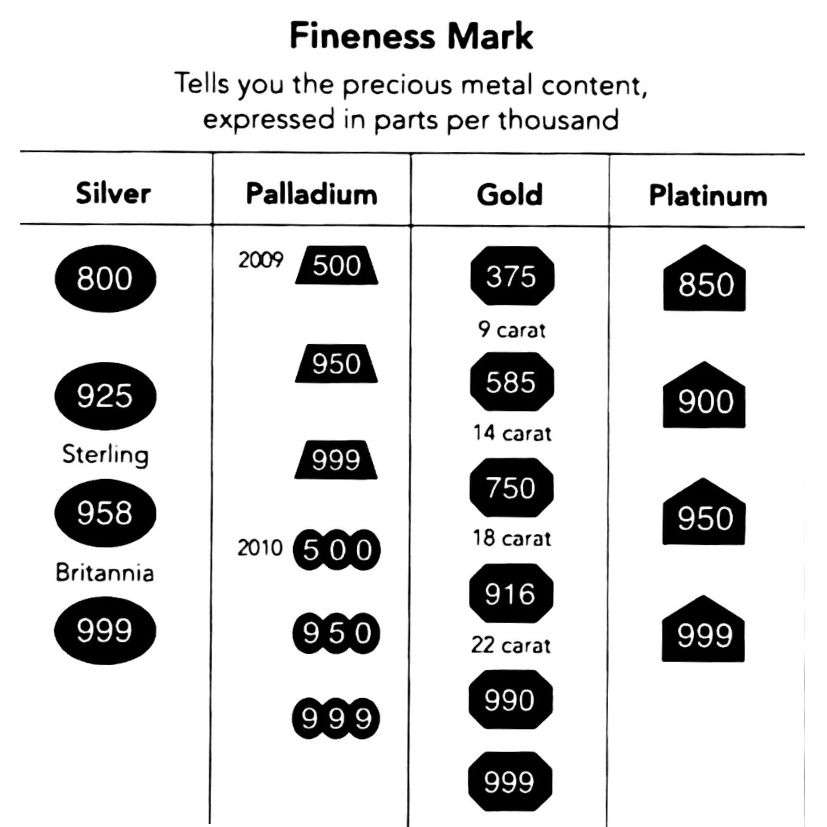
The 925 marking indicates that the metal beneath the color consists of at least 92.5 percent silver, with the remainder composed of other alloys. That base supplies the pendant's weight, its irregular rim, the recesses accommodating the CZ accents, and the bail that attaches it to a chain. The plating adds color while the base metal remains 925 sterling silver. A polished gold-tone finish over 925 sterling silver is neither solid gold, K gold, nor pure gold; therefore, keep those material distinctions separate in your product listing. This separation matters in two practical respects. First, your material claims must match the item you ship. A listing describing the pendant as "gold" while the base is sterling silver invites returns unrelated to the design. Second, the base surface influences how the color appears. A high-polish silver surface reflects light through a color layer and can alter the apparent tone; the same plating on a brushed or matte surface appears softer and flatter. Style 4P. F854 uses a polished 925 base across the entire twelve-sign range, so if you are developing a constellation zodiac pendant line, the surface preparation is already incorporated into the recipe. Custom plating colors are supported on that base, making the sample stage the appropriate point to finalize the tone rather than the quotation stage.

How to Prepare a Plating Color Request That a Factory Can Sample Accurately

The most effective thing to provide a zodiac pendant manufacturer is not a color name but a set of decisions. A request that addresses four questions typically yields a usable sample on the first attempt.

  1. Specify the base piece and its design. Provide the SKU, the zodiac sign or full twelve-sign collection, the base metal, and the stones. For example: 4P. F854, 925 sterling silver base, CZ accents, irregular coin shape, nickel free. This tells the plating line what it is coating and what it must protect.
  2. Send a physical color reference. A swatch, an existing pendant you currently sell, or a coated sample from a prior run eliminates guesswork. Gold ranges from pale champagne to deep yellow, and rose encompasses a wide band of its own, so a reference object allows the plater to match a target rather than interpret a word.
  3. State the surface effect and expected wear pattern. Polished, matte, and brushed finishes hold color differently; a pendant that rubs against a chain or rests on skin will show wear first in those contact areas rather than on the open face. Specify the look you want and how the piece will be worn, including whether it is intended for daily wear and stackable styling.
  4. Define how you will approve the sample. Decide who signs off, under what lighting, and what qualifies as close enough before the sample arrives. Approval by photo alone often leads to disagreement later; approval against a named reference under neutral daylight is easier to replicate across production runs.

When the sample is returned, the plating thickness, color code, minimum order quantity, and production lead time are included with the quote. Those figures pertain to the specific run you are requesting, so they are confirmed as part of a quotation rather than treated as fixed published numbers. A sterling silver pendant supplier that quotes them based on your actual piece provides numbers you can plan a launch around and a record for comparison if you reorder the same color later.

What Wear and Care Expectations Should Be Written for Gold-Tone Pendants

A plated finish is a surface layer, and surface layers respond to friction, moisture, cosmetics, and cleaning. Care wording should reflect that reality because it is more beneficial to your customer than a slogan. Someone wearing a zodiac coin pendant daily keeps the piece against skin and moving against a chain for hours at a time, so contact points are where the color layer may show wear first. The 925 silver underneath can also darken gradually from everyday exposure, which is normal for the alloy and manageable with the same habits. Write care instructions that tell buyers what to do. Suggest putting the pendant on after lotion, perfume, and sunscreen have dried, because those products can leave residue against the metal. Suggest removing it before swimming, showering, and workouts, and wiping it with a soft dry cloth after wear. Suggest storing pieces separately in a dry place so pendants do not knock against one another. On the sales side, describe the piece as a gold-tone finish over 925 sterling silver with CZ accents. Avoid never-fade, permanent color, or stated colorfast-year claims in the listing. Care wording also affects returns. When a listing says gold-tone and the care note explains that the color layer is a finish that responds to friction, buyers arrive with realistic expectations and fewer complaints. The same paragraph works commercially: buyers sourcing wholesale sterling silver zodiac pendants for a retail program can pass one consistent care note to their own customers instead of writing a new one per order. Renfook's 4P. F854 is a useful example here because the pendant is designed for daily wear and layering, exactly the situation where clear care language matters.

Conclusion

The decision is not which color name sounds best. It is which base metal you are building on, which color direction goes on top, which sample you will approve, and which care language reaches the listing. Keeping those four things separate moves a zodiac pendant project along quickly because the plater can match a reference instead of guessing at a word. Start with style 4P. F854: a 925 sterling silver base, CZ accents, and a polished gold-tone finish, with custom plating colors supported. Send your reference color, surface effect, quantity, and care wording with the inquiry, and the color code, sample timing, MOQ, and lead time come back tied to your exact piece.

FAQ

Q:What is the difference between a 925 silver base and a gold-tone plating finish?

A:The 925 base is the actual metal of the pendant, at least 92.5 percent silver, and it gives the piece its structure, weight, coin edge, and bail. Gold-tone is the color layer applied on top of that base. It delivers the gold look, but the pendant is not solid gold or K gold. On style 4P. F854, the base is polished 925 sterling silver with CZ accents, finished in gold-tone.

Q:Can I request custom plating colors for a sterling silver zodiac pendant?

A:Yes. Custom plating colors are supported on the 925 sterling silver zodiac pendant range, including style 4P. F854, so you can move away from the standard gold-tone toward the tone your line needs. Send a physical color reference and the surface effect you want. The matching color code and any order conditions come back with your sample and quotation.

Q:How should I confirm a custom plating color before bulk production?

A:Approve a physical sample, not a photo. Compare it against the reference you submitted under neutral daylight, check both the flat face and the curved edges of the coin shape, and confirm who signs off. Then lock the color code, order quantity, and lead time with the quote before the bulk run begins.

Sources / References

Jewelers of America precious metal finishes

International Gem Society sterling silver jewelry guide

Birmingham Assay Office fineness marks

Related Examples

925 Sterling Silver 12 Constellation Zodiac Pendant (4P.F854)

Thursday, October 22, 2026

How Load Ratings and Cargo Space Define Real World Wagon Performance

Load Capacity and Cargo Volume Shape Real-World Wagon Use

When smart outdoor wagon specifications are examined alongside load, volume, item shape, and route conditions, their practical value becomes much clearer.

A retail product researcher evaluating a smart wagon typically encounters two primary figures initially: a weight rating and a volume rating. For the LITEFAR Orion Smart Wagon, the published specifications include up to 330 lbs load and 150L capacity, along with use references like coolers, sports equipment, tools, and daily outdoor hauling. While these numbers provide useful guidance, they address distinct aspects. Weight conveys information about mass. Volume conveys information about space. The actual carrying experience is determined by how these two factors interact with center of gravity, wheel movement, surface condition, and the shape of the items being moved.

What Load Capacity and Cargo Volume Each Tell You

Load capacity represents a weight statement, whereas cargo volume represents a space statement. A smart wagon listed with up to 330 lbs load communicates an upper weight-related capability under appropriate conditions, not a promise that every 330 lb combination will feel equally manageable. A 150L capacity describes available cargo volume, but liters do not indicate whether a rectangular cooler, folded chair bundle, long sports net, ball bag, tool case, or irregular camping bin will sit neatly inside the cargo area. For an outdoor wagon for coolers and sports equipment, this distinction is important because many real loads are not dense, compact blocks. They are mixed, uneven, and sometimes taller or longer than the most efficient use of the wagon’s stated volume. The most practical interpretation is to view these numbers as two parts of the same capacity picture. Weight capacity helps define whether the wagon is intended for light picnic items, moderate mixed gear, or heavier outdoor hauling. Cargo volume helps define how much physical room is available before items start stacking, leaning, or protruding. A load can be under the weight figure but still awkward if it is bulky, high, or poorly distributed. A load can also use much of the 150L space without approaching the weight rating, especially when carrying sports balls, padded bags, folding blankets, or lightweight event gear. For a sports equipment wagon or moving gear wagon, the more pertinent question is not simply "How much can it carry?" but "What kind of load is being carried, how does it occupy the cargo area, and how will it behave while moving?"

How Weight, Shape, and Route Change the Real Carrying Experience

Real-world hauling is influenced by resistance, balance, and handling effort. A heavier load increases the force needed to start movement, maintain steady movement, and control direction. Rolling resistance also varies with surface, wheel behavior, and load. On smooth pavement, a loaded wagon may move with less effort than on grass, compact soil, gravel walkways, or firm packed sand because the wheels face different resistance at the contact point. This is why the same utility wagon for daily outdoor hauling can feel very different when moving from a driveway to a sports field edge or from a boardwalk to a packed outdoor path. The number on a spec sheet remains unchanged, but the route alters the work required. Shape is equally important because it affects center of gravity and how the load settles. A low, dense load such as a compact cooler may feel more stable than tall stacked bins with the same total weight. Long items can shift the balance forward or backward. Round sports equipment can roll unless contained. Tool cases may be compact but dense, changing how the wagon responds during starts, turns, and stops. When a smart wagon is used for mixed gear, the best mental framework is not a single maximum number. It is a load system: weight creates force, volume creates packing limits, shape influences stability, and the route adds movement resistance. This is also why powered assistance does not override basic physics. Electric movement can reduce manual effort, but it does not make an uneven load behave like a balanced one. For product researchers, this leads to a useful interpretation method. First, separate mass from bulk: a heavy compact item and a light bulky item stress the wagon in different ways. Second, consider load height: gear stacked above the side profile may raise the center of gravity and make turns feel less predictable. Third, connect the load to the route: a short flat move across pavement is not the same as repeated movement over grass or compact outdoor paths. These distinctions are especially relevant when comparing smart wagon language around coolers, camping gear, sports equipment, tools, and moving gear, because those examples represent different packing behaviors rather than one uniform cargo type.

Where Up to Numbers Should Be Read With Caution

“Up to” ratings are useful because they provide readers with a ceiling, but they should not be interpreted as guaranteed everyday limits across all surfaces, slopes, load shapes, and user habits. A figure such as up to 330 lbs load is best understood as a rated upper boundary under appropriate use conditions, not as a universal statement that a full load will be equally stable or easy on every route. The same principle applies to 150L capacity. It indicates cargo volume, but not every item shape can use that volume efficiently. A retail researcher should therefore approach load and volume figures as specification signals that require context, especially when comparing smart wagons that may differ in wheel size, cargo dimensions, power system, braking behavior, and accessory setup.

Heavy Loads on Short Flat Moves Are Not the Same as Mixed Terrain Hauling

A heavy load over a short, flat, smooth path presents a different problem from a moderately heavy load over mixed outdoor terrain. On pavement, the wagon may experience less rolling resistance and fewer interruptions. On grass, compact soil, gravel walkways, or firm packed sand, the wheels interact with the surface differently, and the user may need more attention during turning, stopping, or route changes. The LITEFAR Orion Smart Wagon is associated with outdoor hauling examples such as coolers, sports equipment, tools, and daily gear movement, but those examples should be understood through route conditions rather than treated as identical use cases. A cooler from a parking space to a picnic area, a sports bag across a field edge, and tools over a garden path may all fit the same product category, yet they create different handling demands.

Volume Capacity Can Mislead When Item Shape Does Not Fit the Box

A 150L capacity sounds straightforward, but volume is easiest to use when the load fits the available cargo shape. Soft bags, blankets, and loose sports items can adapt to the wagon space more readily than rigid bins, long poles, boxy coolers, or hard tool cases. Without confirmed interior cargo dimensions, it is more accurate to treat 150L as a capacity indicator rather than a guarantee that every large object will fit cleanly. This is where item shape matters as much as item weight. A tall but light load may reduce visibility or feel less settled. A rigid object may consume space inefficiently. For an outdoor wagon for coolers and sports equipment, the most reliable interpretation is that the wagon supports mixed outdoor hauling within stated boundaries, while actual packing success depends on dimensions, orientation, and balance.

Conclusion

Load capacity and cargo volume are most effective when considered together. The LITEFAR Orion Smart Wagon’s up to 330 lbs load and 150L capacity help frame its role as a smart outdoor wagon for coolers, sports equipment, tools, moving gear, and daily outdoor hauling, but those figures do not replace judgment about item shape, route, and balance. For a retail product researcher, the practical value lies in understanding what each number can and cannot convey. Weight ratings describe an upper load boundary. Volume ratings describe space. The actual carrying experience emerges from how the cargo is packed and where the wagon is used.

FAQ

Q:What is the difference between 330 lbs load and 150L capacity?

A:The up to 330 lbs load refers to weight, while 150L capacity refers to cargo volume. A wagon can have enough weight capacity for a load but not enough usable space for its shape, or enough space for bulky gear that is far below the weight rating. The two figures should be read together, not as interchangeable measures.

Q:Why does item shape matter as much as weight in a smart wagon?

A:Item shape affects packing efficiency, balance, and stability during movement. A compact cooler, a long sports bag, a tall stack of bins, and loose sports equipment can all create different handling behavior even if their total weight is similar. Shape influences center of gravity, whether items shift, and how well the cargo fits within the wagon space.

Q:Can an up to rating be treated as a guaranteed real-world carrying limit?

A:No. An up to rating is best read as an upper specification under suitable conditions, not a guarantee for every surface, slope, load shape, or route. Real-world carrying depends on weight distribution, surface resistance, wheel movement, user control, and how the cargo is packed.

Sources / References

CCOHS: Pushing and Pulling - General

Rolling Resistance

Manual handling at work - HSE

Related Examples

LITEFAR Orion Smart Wagon

Wednesday, October 21, 2026

The Role of Embroidered Patch Size in Mascot Detail

Introduction: The width, height, color palette, and small graphic components of an embroidered patch collectively influence how strongly its mascot design stands out on apparel, bags, and jackets.

A patch might appear large in a product photo yet occupy only a small area on an actual garment, or it may look highly detailed because its colors and outlines create sharp visual separation. Starting by reviewing the dimensions offers a more practical foundation. The listed hockey mascot patch is 3.8 inches wide by 3.1 inches high, resulting in a broad, slightly landscape-oriented space for the character, hockey stick, facial features, and border. That measurement is best interpreted as a visual map. Width indicates how far the design extends from side to side, while height indicates how much vertical room the face, body, accessory, and outline receive. Color blocks then divide that space into distinct regions. This helps a reader gauge presence and detail without turning appearance into a judgment about materials, durability, or production performance.

Width and Height Set the Mascot’s Visual Proportion

A width of 3.8 inches combined with a height of 3.1 inches gives the design a width-to-height ratio of approximately 1.23 to 1. That makes it wider than it is tall, but only to a moderate degree. The shape consequently reads as a compact landscape-oriented mascot area rather than a long horizontal strip or a tall vertical emblem. This proportion allows the character to extend sideways while still preserving enough height for a face, expression, lower outline, and supporting hockey elements. The ratio matters because a mascot is read as a complete figure, not as an isolated logo mark. A very wide and shallow patch would encourage the eye to follow a horizontal gesture, such as a name or banner. A much taller patch would give more emphasis to vertical features. At 3.8 by 3.1 inches, the design can balance the character’s head, facial expression, hockey stick, and surrounding outline within one relatively compact shape. The dimensions create the stage on which the drawing is organized. For a reader comparing patches, it helps to imagine the outer boundary before examining the interior. The outside measurement is the total visual footprint. The light blue stitched edge contributes to that footprint, while the main blue character occupies the central field. The gray horn or long snout, brown hockey stick, white teeth, and black line details sit inside that area. Their apparent size depends on how much of the 3.8-by-3.1-inch space each element receives. This is also why dimensions should be read together rather than as a single number. “About four inches” describes the width but leaves the shape unclear. Adding the 3.1-inch height explains whether the design is nearly square, distinctly horizontal, or strongly vertical. Here, the two measurements suggest a rounded, broad mascot composition with enough area for several visual layers. That is a specification-based reading of the design’s presence, not a claim about how it will perform on a particular garment.

Color Areas Decide Which Details Arrive First

Size tells the eye how much room the design has; color tells the eye how to organize that room. The current design uses blue as the dominant visual field, with gray, brown, white, black, and light blue supporting elements. A large blue area is likely to be read first because it establishes the mascot’s main silhouette and gives the patch its overall identity. Smaller contrasting areas then explain what the character is doing and how its expression is formed. The gray horn or long snout introduces a secondary shape that extends the character’s identity beyond a simple blue figure. The brown hockey stick adds a directional line and connects the mascot to the sport theme. White teeth create a bright facial accent, while black stitching helps separate edges and interior features. The light blue border encloses the composition and gives the outside contour a visible finish. Each color has a different visual job, even though all of them occupy the same small patch. This relationship can be understood as a scale hierarchy. Large color fields establish the subject. Medium-sized shapes explain the pose or object. Small high-contrast marks deliver expression. When a design contains many small elements, the reader should ask which features remain recognizable when the whole patch is viewed as one object. The important point is not simply how many colors appear, but how those colors divide attention across the available width and height. Embroidery adds another layer to this reading because stitches create a visible surface pattern. The NeedlenThread reference explains common embroidery stitches as distinct ways of building lines, fills, and decorative marks. In a patch, those marks can reinforce the boundaries between a blue body, a white tooth, a brown stick, and a black outline. The observation concerns the way stitched areas are seen as parts of a graphic composition. It does not turn a color arrangement or textured surface into a conclusion about thread count or overall quality. The same 3.8-by-3.1-inch outline could therefore support very different visual impressions with a different drawing. A simple emblem with one large color field might look bold and immediate. A character with several facial marks, accessories, and interior outlines might feel more information-rich within the same outer dimensions. The difference comes from how the artwork allocates space, contrast, and hierarchy. WIPO’s industrial design materials also place attention on the appearance of products and the visual form through which an object is recognized. That principle is useful here: the graphic arrangement is part of what the viewer reads. For this hockey mascot design, the broad blue body, contrasting facial details, brown stick, and pale border create a layered reading order. From a normal viewing distance, the blue mascot shape and the overall outline establish presence first. Closer attention brings out the gray, white, brown, and black elements. A reader can use that sequence to understand detail: first identify the silhouette, then the sports accessory, then the facial and outline accents.

Relative Scale Changes How the Patch Sits on Fabric

The same 3.8-inch-wide patch can feel prominent on one textile item and more integrated on another because the surrounding surface changes the comparison. The patch itself does not change size, but the visible area around it changes how the eye judges proportion. A practical way to understand this is to place the stated dimensions beside the approximate visual field of the item, without assuming one universal placement or fit.

  • Jersey chest area: On a hockey jersey, the patch reads as a compact team or mascot emblem. Its 3.8-inch width gives the character a noticeable identity area, while the 3.1-inch height keeps the composition contained within the chest field. Nearby numbers, names, stripes, or other logos may compete with it, so the patch’s visual role depends on the surrounding design.
  • Warm-up jacket: A jacket front usually offers more uninterrupted space than a tightly marked jersey. The patch can therefore appear more self-contained, with the light blue border helping the mascot stand apart from the larger garment surface. Its broad shape supports a clear emblem-like presence without requiring the entire front panel to be filled.
  • Sports bag: On a sports bag, the patch is read against a relatively open panel or pocket area. The mascot may function as a strong focal mark because the surrounding fabric can provide visual breathing room. Handles, zippers, seams, and pockets still affect the comparison, so the patch’s position can change how dominant it feels.
  • Denim jacket: Denim gives the patch a casual clothing context in which the 3.8-by-3.1-inch outline can read as a noticeable personal or team-themed accent. Other patches, pockets, and jacket seams may create a collection effect, making the mascot one element within a larger arrangement rather than the sole visual focus.

These comparisons explain why “large” and “small” are incomplete descriptions. A patch is large or small relative to the surface carrying it, the neighboring graphics, and the amount of open fabric around it. A chest emblem with clear space can attract attention even when it occupies only part of the garment. On a crowded panel, the same dimensions may feel more moderate because the eye has several competing shapes to process. Relative scale also helps readers distinguish product size from perceived detail. A design can have a moderate outer footprint but still feel visually active when it contains strong color contrasts and recognizable accessories. Conversely, a larger surface can appear quiet when the artwork uses broad, similar-toned areas. For the blue hockey mascot patch, the blue body establishes the main mass, while white teeth, a brown stick, gray character detail, black lines, and a light blue edge create smaller reading points within that mass. The most useful observation method is simple: imagine the patch at its stated width and height on the intended item, then compare its outline with nearby seams, pockets, numbers, or existing decorations. This gives a grounded sense of presence without relying on an isolated product photograph. It also keeps the judgment focused where it belongs: proportion, graphic hierarchy, and the way a design occupies textile space.

Conclusion

The 3.8-inch width and 3.1-inch height place this hockey mascot embroidered patch in a broad, compact visual format. Its blue main field establishes the character, while gray, brown, white, black, and light blue elements divide the design into recognizable layers. The patch’s perceived presence then changes with the jersey, jacket, bag, or denim surface around it. Reading those relationships together gives a clearer understanding of size and detail than any single measurement can provide. The current product listing is a useful reference for examining this combination of dimensions, colors, border, and mascot artwork.

FAQ

Q:What are the dimensions of this hockey mascot embroidered patch?

A:The patch measures 3.8 inches wide and 3.1 inches high. That makes it moderately wider than it is tall, creating a compact landscape-oriented area for the blue mascot, hockey stick, facial details, and light blue stitched border.

Q:How does a 3.8 x 3.1 inch patch affect mascot detail?

A:Those dimensions provide room for a main blue character along with gray, brown, white, and black supporting details. Large color fields establish the mascot first, while smaller contrasting elements such as the teeth, stick, horn or long snout, and outlines add recognition points.

Q:Where can readers understand the visual size of an embroidered patch?

A:Readers can compare the stated 3.8-by-3.1-inch outline with the open area of a jersey chest, warm-up jacket, sports bag, or denim jacket. This relative comparison shows whether the patch will read as a focal emblem or as one accent among several surrounding details.

Sources / References

Industrial Designs

Embroidery Stitches – a book

Related Examples

Blue Cartoon Narwhal or Swordfish Hockey Mascot Embroidered Patch

Tuesday, October 20, 2026

Rechargeable BTE Hearing Aids at Pharmacy Counters

Introduction: When it comes to buying in pharmacy and personal care chains, the core question is not whether a rechargeable BTE hearing aid offers enough clinical features.

Rather, it is whether an older shopper can grasp it, power it on, and use it day-to-day without needing to visit a clinic. Older customers at the counter want better hearing at family dinners, while driving, and right in that same store. Physical controls, a familiar charging cable, and a battery that lasts through the day matter more on a pharmacy shelf than an extensive list of clinical specifications.

Why Pharmacy Buyers See Rechargeable BTE Models as a Counter Category

The emergence of OTC hearing aids has redefined what a pharmacy shelf ought to carry. Under the FDA's OTC rule, adults with self-perceived mild-to-moderate hearing loss can buy a hearing aid without needing a prescription, a medical examination, or a fitting appointment. This shifts the purchase decision into a retail environment where a shopper might spend two minutes looking at the aisle and another two talking with counter staff. The practical test stays straightforward: can a 70‑year‑old who has never worn a hearing aid understand, start, and use this product? Rechargeable behind‑the‑ear models meet that test well. The BTE design keeps the casing outside the ear canal, giving the device space for a real physical button, a visible charging port, and a battery that does not require replacement every couple of days. Older shoppers with reduced dexterity, mild arthritis, or low vision often find that housing easier to handle and align than a tiny in‑the‑ear device. Rechargeable models also eliminate the most common battery chore among this age group: fiddling with small button cells and trying to insert them the correct way. That is why category buyers treat rechargeable BTE as a counter essential rather than a niche addition. Staff confidence is another factor. When the product includes a large rocker switch, a Type‑C port, and a battery that lasts a full day, staff can answer the three questions they actually hear: "How do I turn it up?" "How do I charge it?" and "What do I do when it's loud in here?" These can be answered in about a minute, making a counter sale feasible.

How Senior Shoppers Experience Rocker Switches, Type-C Charging, and Four Programs

The difference between a specification sheet and daily use becomes clear in a few small actions: raising the volume, connecting the device at night, and switching programs in a noisy restaurant. The Primo S1601 from NewSound Hearing Aid tackles each of those moments with hardware instead of an app, exactly what a counter sale requires.

  • Large rocker switch: One physical control manages both volume and program changes. Users do not need to navigate touchscreens, app pairings, or menu paths. Anyone familiar with a volume wheel on a radio already understands the motion, so the learning curve is nearly zero.
  • Type-C charging: The same cable used for a phone or tablet also charges the aid. Users avoid a proprietary dock and disposable batteries, and they do not have to hunt for spare cells at night. EZCharge adds an anti‑overheating design that reduces strain on the battery during a complete charge cycle.
  • Up to 25 hours per charge: A single charge covers a full day and most of an evening, so users can leave the charger behind. For older shoppers, that removes midday worry about battery levels and keeps the routine to one simple plug‑in at night.
  • Four listening programs: Quiet rooms, one‑on‑one conversation, outdoor walks, and noisy public areas each have a preset, and the same rocker switch moves between them. When a customer asks, "What do I do when it's loud in here?" staff have a one‑sentence answer.

For counter staff, this combination turns a complicated decision into a brief talk. They can point to the switch, show the charging port, and describe the four programs in about a minute. Replaceable silicone domes are another practical touch, because customers can come back for a fresh set without sending the whole device away.

How a Supplier Can Support Pharmacy Counter Staff and Assortment Decisions

A counter model performs only as well as the supplier behind it. NewSound Hearing Aid is a hearing aid manufacturer with 20 years of experience across BTE, ITE, RIC, TWS, and neckband formats. For a pharmacy chain sourcing wholesale hearing aids, one channel can supply the counter SKU, spare domes, charging cables, and replacement parts rather than requiring three vendors. That matters when staff need a quick answer about a missing dome or a batch of sample units for training. Plain‑language spec sheets, a short staff explainer, and a named contact who can handle compliance questions help counter staff manage routine inquiries without escalating every issue. On the assortment side, the practical question is whether one well‑chosen SKU covers most of the shelf demand or whether a chain needs several. The Primo S1601 sits in a comfortable middle ground: it targets mild‑to‑moderate hearing loss, runs a 16‑channel WDRC processing chain with multi‑band noise reduction, ships with replaceable silicone domes, and gives shoppers four programs through a single switch. One model can cover many common senior shopper needs without forcing the buyer to stock half a dozen variants that sit and collect dust. Chains that want a private‑label version can ask about OEM packaging, logo placement, and bundled dome kits before committing to a planogram. When buyers compare BTE hearing aids manufacturers, they should also treat commercial details as part of the same decision. Local OTC compliance rules vary by market, so certification that supports a shelf in one country may differ from what another market requires. MOQ, sample terms, lead time, and spare‑part replenishment intervals are equally practical; a great product with a six‑month lead time is not a great counter product. Confirm those numbers directly with the supplier before locking in a first order. Retail price and promotional programs typically come from the same conversation. If a chain's broader planogram includes Bluetooth audio streaming, those items may come from a Bluetooth hearing aids manufacturer; keep that selection separate from the Primo S1601 counter decision.

Conclusion

Pharmacy counter sales reward products that explain themselves. Rechargeable BTE models built around a physical rocker switch, Type‑C charging, 25‑hour battery life, and four listening programs can reduce the amount of coaching a senior shopper needs and lower the friction that leads to returns. That makes them a natural fit for OTC‑first shelves aimed at older customers, and worth a serious look when a chain is deciding what earns a slot next to the pharmacy counter. A concrete follow‑up is to ask for a sample unit for counter staff to handle, a one‑page operating guide that staff can hand to a shopper, and confirmed numbers on MOQ, OEM packaging options, spare silicone domes, and lead time. Those four items usually decide whether a model works at shelf level, long before the spec sheet does.

FAQ

Q:What makes a rechargeable BTE hearing aid suitable for pharmacy counter sales?

A:A rechargeable BTE model works at a pharmacy counter because it fits the way older shoppers actually buy. The housing sits outside the ear, so it is easy to grip and orient, and it has room for a real physical control instead of an app. Recharging removes the tiny battery routine that trips up many first-time users, and the OTC framework keeps the purchase on the shelf rather than behind a fitting appointment. For staff, the whole product can be explained in a minute, which is about all the time a busy counter has.

Q:How do rocker switches and Type-C charging help older customers use a BTE hearing aid?

A:Both features replace a complicated step with a familiar one. A large rocker switch means volume and program changes happen with a motion that anyone who has used a radio already knows, so there is nothing new to learn and no phone app to keep paired. Type‑C charging uses the same cable as most phones and tablets, so the customer does not need a special dock or a stock of button batteries. Together they lower the operating threshold enough that a first‑time hearing aid user can build confidence quickly.

Q:Are four listening programs useful for pharmacy OTC hearing aid shoppers?

A:Four programs give the customer a simple answer for each of the environments they move through in a day: a quiet room, a one‑on‑one conversation, an outdoor walk, and a noisy public space such as a restaurant or shop. Instead of expecting a new user to fine‑tune settings, the device shifts between presets using the same rocker switch. For counter staff, that turns the "What do I do when it's loud?" question into a short demonstration, which can reduce hesitation at the shelf and returns later on.

Sources / References

OTC Hearing Aids: What You Should Know

Hearing aids: How to choose the right one

Documents

Related Examples

Ready-to-Wear Rechargeable BTE Hearing Aid

Monday, October 19, 2026

Selecting a Long Lasting Foundation Supplier for Cross-Border Retail

Introduction: A long-wear foundation claim helps your store only when the supplier behind it can answer coverage, sample, and import questions before you commit to a bulk order.

Sourcing long-lasting liquid foundation for an independent store or social commerce shop rarely fails because there are too few suppliers. It fails because most suppliers sound alike. Listings repeat long-lasting claims, quotes arrive with polished bottle photos, and the real differences—coverage level, texture, packaging quality, ingredient labeling, import paperwork—show up after you order samples. Use a screening sequence that starts with long-wear wording, moves to supplier comparison before sampling, and ends with a structured RFQ after sample review.

Why Long-Wear Foundation Wording Needs a Supplier You Can Question Before Sampling

Every wholesale foundation listing claims long-lasting wear. That phrase gives little detail about a commute, a full workday, or a long event. It tells you the supplier markets the product that way, and you need to learn what supports it. A cross-border store also carries the customer experience after the parcel arrives. A long lasting foundation supplier should describe coverage level, liquid texture, pump format, and label content without deflecting. A supplier who can do that is easier to build repeat orders around. A supplier who repeats the marketing line creates more risk when customers ask why their foundation faded by mid-afternoon. Treat long-wear wording as the start of the conversation.

1. A Long-Wear Product Description Should Match Real Daily Wear Scenarios

The useful question is not whether a product is long-wearing, but long-wearing for what. A daily commute look is a different job from full-day event coverage. A medium coverage, lightweight liquid foundation built for everyday errands and office wear serves a different customer need than a heavy full-coverage formula. A supplier who can describe the intended scenario gives you real information about the product. The TVLV Medium Coverage Foundation is a clear example: a liquid foundation positioned for everyday commuting, with medium coverage, natural coverage, a lightweight and breathable feel, long-lasting wear wording, and a pump bottle format. That gives a buyer a specific picture of when the product is meant to be worn. When a supplier applies the long-wear label to every possible use, the description stops helping you choose.

2. Ingredient Names and Import Documents Show How Far a Supplier Can Support You

Ingredient labeling separates prepared suppliers from the rest. INCI names are the standard way cosmetic ingredients appear on a label, and a supplier who can provide or discuss them shows how deep their product knowledge runs. That matters for the cross-border seller who needs a compliant label in the destination market, and the private-label brand that must print ingredient information on its own packaging. Import documentation follows the same logic. Under MoCRA, cosmetics sold in the US carry facility registration and safety substantiation expectations, and sellers importing them need to be ready for that. Advertising guidance from the FTC makes a related point: performance language should stay within supported product facts. Ask each candidate what documentation they can share and how quickly. A supplier who moves quickly on ingredient naming and import paperwork can enter your RFQ with fewer unknowns.

How to Compare Long Lasting Foundation Suppliers Before Sampling

Once two or three candidates answer questions well, the shortlist gets tighter and more specific. Sample review comes next, but before you order samples, compare suppliers on concrete points that will shape that review. Coverage level is the first comparison point. Medium coverage with natural coverage is a different product from full coverage, and the difference shows up in how customers use it. For a broad cross-border audience, medium coverage tends to fit everyday wear and a wider customer base, which makes it easier to test and reorder. Check whether the supplier's coverage descriptions hold up across the catalog. If every foundation is labeled long-lasting, full coverage, natural, and lightweight at the same time, those descriptions stop helping you choose. Packaging format and texture come next. A liquid foundation in a pump bottle is easy to dispense, easy to photograph for a listing, and easy to ship without leaking. Ask how the bottle is sealed, what the outer carton looks like, and whether the pump has been tested for travel. For cross-border ecommerce, packaging reliability matters because a leaking bottle in transit turns into a refund and a bad review. Texture matters too: a lightweight, breathable liquid behaves differently across skin types and climates. On a wholesale beauty supply order, that difference affects returns and repeat purchases, so ask for sample feedback from the markets you serve. Supplier communication belongs in the comparison as well. Some beauty supply wholesale distributors answer spec questions within a day; others need three follow-ups. A quick, specific reply usually signals a cleaner path to reorders. The same questions can separate wholesale beauty supply vendors that manage specifications well from those that only quote prices. Send each candidate the same short set of questions and compare the responses side by side. How they answer teaches you more than their marketing pages do.

What to Send in an RFQ After Sample Review

After you have reviewed samples for texture, coverage, finish, and packaging, the RFQ is where a promising candidate becomes a working supplier. A vague RFQ gets a vague quote, and vague quotes are hard to compare. Send the same structured request to every shortlisted supplier so the responses line up. Start with the product spec: coverage level, finish, liquid format, packaging format, and the shade options you want quoted. If the sample gave you a shade reference, include it. Then cover commercial terms, including wholesale pricing tiers, minimum order quantity, lead time, and whether the packaging you reviewed is standard or a custom option. Private-label buyers should add branding questions such as label design, logo placement, and how much of the packaging can be customized. Compliance and shipping terms come next. Ask what documentation the supplier can provide and what your destination market requires. Ask how the order ships, which carrier or method is typical, and how long delivery takes to your region. If the supplier promotes tariff-free terms or free customization, ask what those terms actually cover in a written quote. That is the moment when a marketing claim becomes something you can budget against. Confirm shade range, net content, INCI, SPF/PA status, MOQ, tier pricing, lead time, certifications, and tariff terms directly with the supplier before you commit. Finish with the practical details that save you work later: product images you can use in listings, a spec sheet you can share with your team, and confirmation that reorders match the sample spec. A clean RFQ process turns a supplier comparison into an order you can repeat.

Conclusion

Choosing a long lasting foundation supplier for cross-border retail comes down to finding one who can describe the wear scenario, name the ingredients, produce import documentation, and quote clearly when you ask. Build the shortlist on those answers rather than the loudest long-wear claim, and your samples will be worth testing. If you are building that shortlist now, the TVLV Medium Coverage Foundation is a useful reference point for a daily-wear liquid foundation: medium coverage, natural coverage, lightweight and breathable feel, long-lasting wear wording, and a pump bottle format. Sign in to the official account center to confirm sample options, shade availability, bulk terms, and compliance documents before you place a larger order.

FAQ

Q:What should I ask a long lasting foundation supplier before ordering samples?

A:Ask about the wear scenario the product is built for, the coverage level, the liquid format, and the packaging type. Then ask what ingredient information and import documents the supplier can provide, how shade options are handled, and what the sample includes. Plain, specific answers tell you more about the working relationship than marketing copy does.

Q:How can I compare liquid foundation suppliers for cross-border retail?

A:Send the same short set of questions to each candidate and compare the answers side by side. Look at coverage and finish descriptions, packaging format, response speed and clarity, and whether they can discuss ingredient labeling and import documentation. A supplier who answers consistently across the board is easier to work with at scale than one who only replies with pricing.

Q:Can a supplier describe long-lasting wear without promising exact hours?

A:Yes, and that is usually a better sign. Long-lasting wear is a marketing phrase, and a supplier who describes the scenario it fits—such as everyday commuting with medium coverage and a lightweight feel—is more useful than one quoting a specific number of hours. Match the description to your customer's actual day and confirm the details with samples before committing to a bulk order.

Sources / References

Modernization of Cosmetics Regulation Act of 2022 (MoCRA) | FDA

Health Claims | Federal Trade Commission

INCI - International Nomenclature Cosmetic Ingredient

Related Examples

TVLV Medium Coverage Foundation

Sunday, October 18, 2026

What a 15000-Puff Rating Actually Signifies on a Disposable Vape

Introduction: A 15000-puff rating describes the maximum a disposable vape can deliver under short, controlled draw conditions, not a fixed number that every user will personally reach.

That message matters when a shopper asks, “Will this last me a month? ” At the retail counter, that question comes up with almost every high-puff device. The useful answer is not a number of days; it is an explanation of what the rating on the box means. A 15000-puff disposable vape pairs its puff count with an e-liquid capacity and a battery size, and those specifications work as one system. this guide looks at how a puff count is formed, why the same number produces different results for different people, and how to compare devices using their whole spec sheet instead of one bold claim.

What the Puff Count on a Disposable Vape Label Is Designed to Express

The puff count on a disposable vape label is a rating unit, not a personal measurement of every inhale. A device such as the Fumot Tornado 15000, for example, is described as an “up to 15,000 puffs” disposable with 25ml of pre-filled nicotine salt e-liquid and an 850mAh rechargeable battery. Those figures are connected. An e-cigarette is, in regulatory terms, a battery-powered electronic nicotine delivery system: it heats liquid into an aerosol, and each draw spends some e-liquid and some battery charge. The puff rating is the label’s way of expressing how many draws those limited resources might support under favorable conditions. The words “up to” are also important. Advertising regulators such as the US Federal Trade Commission expect sellers to support maximum-style claims with honest estimates, which is why the number represents the manufacturer’s highest expected result rather than a random marketing figure. The exact test conditions behind that number are usually not included on the product sheet. For that reason, 15,000 puffs is better understood as a rated maximum supplied by the manufacturer than as an independently verified measurement or a promise that every customer will count out exactly 15,000 puffs. It gives the industry a common language for describing capacity; it does not describe how a specific person will vape.

Why a 15000-Puff Rating Does Not Translate Into the Same Result for Every User

The gap between the label and real life exists because a puff is not a uniform dose. It is an event whose resource consumption changes with the person creating it. Three usage variables explain most of the difference:

  1. Draw duration. High-puff disposables are draw-activated, so the coil is only powered while someone inhales. A one-second draw uses much less heating time, e-liquid, and battery charge than a three-second draw. Habitual long draws therefore drain the 25ml tank and the 850mAh battery faster, which lowers the actual puff total.
  2. Aerosol volume per draw. One person’s “puff” may be a short, light hit, while another takes a deep, dense pull. Larger aerosol output comes from more of the e-liquid being vaporized and more battery energy being spent to create it. One large puff can consume what several small puffs would, so the same rated number will not feel the same to different users.
  3. Battery and e-liquid balance. The device holds 25ml of nicotine salt e-liquid and an 850mAh battery that can be recharged, and the two are consumed at different rates depending on draw style. A heavy user may drain the battery long before the tank looks empty, while a light user may finish the e-liquid over several charging cycles. Real usable life ends when whichever resource runs out first under that person’s pattern.

A retail scenario makes this concrete. Two customers can buy the identical 15000-puff model; one returns after two weeks pleasantly surprised, while the other reports the device died far sooner. The hardware did not change between the two purchases — their puffs simply were not the same size. That is why converting a puff rating into days is risky. A more honest description is to call the puff count a ceiling that depends on the customer’s draw duration, draw depth, and how often the device is used.

How to Read a 15000-Puff Claim Together With E-Liquid Capacity and Battery Specs

The clearest way to read a 15000-puff claim is to stop treating the puff number as the only headline and start treating it as part of a three-part specification: e-liquid capacity, battery capacity, and rated puffs. The e-liquid tells you how much total liquid is available to be vaporized. The battery tells you how much power can be delivered before a recharge is needed. The puff rating tells you how many draws the manufacturer expects from the combination. A quick calculation helps product researchers see why real-world results vary. If a device contains 25ml and is rated at 15,000 puffs, evenly spreading the liquid works out to about 0. 0017ml per puff — roughly 1. 7 microlitres. That is a very small amount of liquid per draw. It shows that the rating was built around short, restrained puffs rather than long, dense inhales. A user who naturally produces larger aerosol will use more liquid than that small allowance per puff and will finish the e-liquid earlier. This is why two devices carrying the same 15,000-puff number can behave very differently if their e-liquid capacities differ. The battery specification adds another layer. An 850mAh rechargeable battery with Type-C charging means the energy supply can be topped up during the device’s life, but the e-liquid cannot be refilled. When comparing high-puff models, it helps to ask whether the device is rechargeable at all. In a non-rechargeable model, the battery may be spent before the e-liquid has fully disappeared, which makes the rated puff count even harder to reach in daily use. In a rechargeable model such as this one, the final limit is more likely to be the liquid and the coil rather than a single charge. The practical habit is to work backwards from the three numbers, compare the implied liquid per puff, and judge whether that assumption matches the person who will actually use the device.

Conclusion

A 15000-puff label is a manufacturer’s stated maximum, not a fixed quota that every owner will hit. The factors that separate the advertised number from the usable number are draw duration, aerosol volume per draw, and the rate at which e-liquid and battery are consumed. For adult vapers comparing devices, this means the puff count should be read together with tank capacity, battery size, and whether the battery is rechargeable. For retail staff, it means avoiding the habit of turning puffs into a promised number of days. Nicotine products are intended for adult use only, and public-health authorities recommend against treating them as harmless, so an honest explanation of what a puff rating can and cannot promise matters as much as the number itself. If you want to see a concrete example of how the three specifications appear together, check the Fumot Tornado 15000 product listing and compare the 15000-puff rating with the 25ml tank and 850mAh battery before drawing your own conclusion.

FAQ

Q:Does a 15000-puff disposable vape mean I get exactly 15000 puffs?

A:No. The number is a manufacturer-rated maximum, not a guaranteed personal result. It assumes short, controlled draw conditions rather than the way every person inhales. Real-world puff count depends on how long each draw lasts and how much aerosol it produces, so a user who takes longer or deeper puffs will consume the e-liquid and battery faster and will most likely end up with fewer than 15,000 usable puffs.

Q:Why do e-liquid capacity and battery size matter when I read a 15000-puff label?

A:Because a 15000-puff rating has to be supported by both the e-liquid and the battery. The 25ml of pre-filled liquid sets the total amount that can be vaporized, while the 850mAh battery supplies the power to heat the coil with each draw. Since the battery is rechargeable through Type-C, energy can be topped up during the device’s life, but the e-liquid cannot be refilled. When those two resources run out at different times, the device ends when whichever one is exhausted first under a person’s actual use pattern.

Q:How many days should a 15000-puff disposable vape last for a regular adult user?

A:There is no reliable day count, because no single habit defines a “regular” user. Someone who takes occasional short puffs across the day may stretch a high-puff device over a couple of weeks or more, while someone who uses it constantly with long inhales could finish it much sooner. Retail staff should avoid converting 15,000 puffs into a promised number of days. A better approach is to explain the rating as a maximum and let the customer measure the device against their own draw frequency and draw length.

Sources / References

Advertising FAQ's: A Guide for Small Business

E-Cigarettes, Vapes, and other Electronic Nicotine Delivery Systems (ENDS)

Tobacco: E-cigarettes

Related Examples

Fumot Tornado 15000 product listing

Extending Ethernet Over 100 Meters via Fiber Media Converters

Twisted-pair copper Ethernet begins to lose reliability around the 100-meter mark, and a fiber media converter serves as the component that ...