Introduction: Selecting a custom plating color for a sterling silver zodiac pendant begins with the 925 silver base, then proceeds to the desired surface tone, the criteria for sample approval, and the care instructions that will appear on the final product listing.
A gold-tone finish applied to a 925 silver zodiac pendant is merely a surface layer, not the underlying metal. When requesting a sample, it is important to distinguish the 925 silver base from the intended top color, and then determine how the sample will be approved and what the care note should say. This approach ensures the custom plating request remains directly linked to the specific pendant being produced. Consider a designer pairing a champagne-gold Cancer pendant with a rose-gold Leo: they often begin with a color name and a mood board, but soon discover the factory requires more precise details. The pendant design itself is simple: an irregular coin shape crafted from 925 sterling silver, featuring a polished gold-tone finish and small CZ accents representing star positions. The customization lies in the surface color applied over that base. Obtaining a useful sample results from a brief, targeted conversation; a vague request for "gold" leads to a lengthier process.
What a 925 Silver Base Means for a Custom Plated Zodiac Pendant
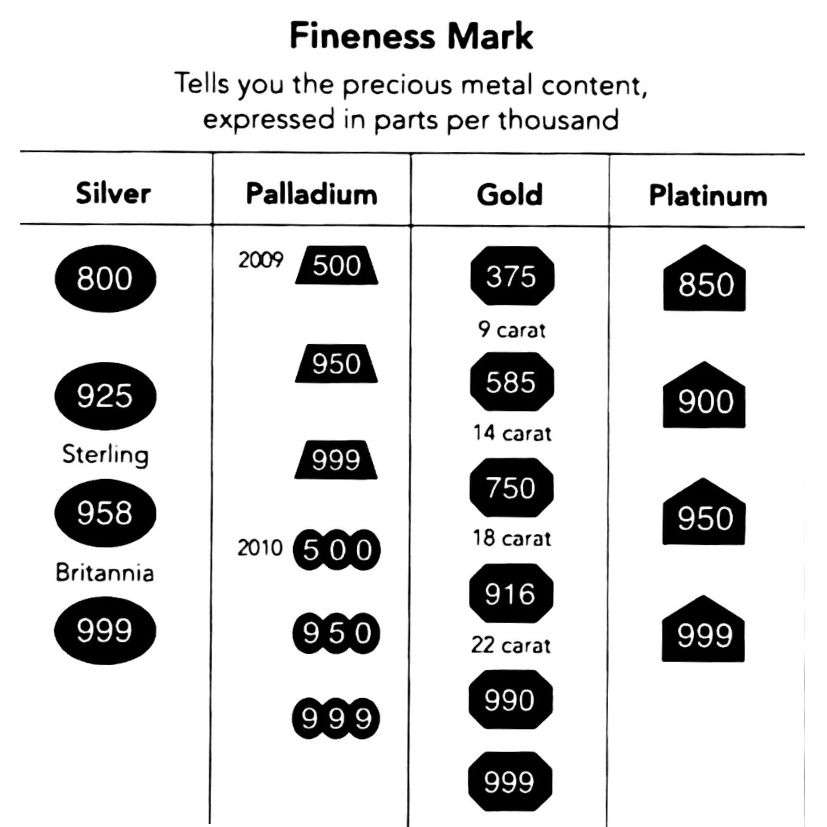
The 925 marking indicates that the metal beneath the color consists of at least 92.5 percent silver, with the remainder composed of other alloys. That base supplies the pendant's weight, its irregular rim, the recesses accommodating the CZ accents, and the bail that attaches it to a chain. The plating adds color while the base metal remains 925 sterling silver. A polished gold-tone finish over 925 sterling silver is neither solid gold, K gold, nor pure gold; therefore, keep those material distinctions separate in your product listing. This separation matters in two practical respects. First, your material claims must match the item you ship. A listing describing the pendant as "gold" while the base is sterling silver invites returns unrelated to the design. Second, the base surface influences how the color appears. A high-polish silver surface reflects light through a color layer and can alter the apparent tone; the same plating on a brushed or matte surface appears softer and flatter. Style 4P. F854 uses a polished 925 base across the entire twelve-sign range, so if you are developing a constellation zodiac pendant line, the surface preparation is already incorporated into the recipe. Custom plating colors are supported on that base, making the sample stage the appropriate point to finalize the tone rather than the quotation stage.
How to Prepare a Plating Color Request That a Factory Can Sample Accurately
The most effective thing to provide a zodiac pendant manufacturer is not a color name but a set of decisions. A request that addresses four questions typically yields a usable sample on the first attempt.
- Specify the base piece and its design. Provide the SKU, the zodiac sign or full twelve-sign collection, the base metal, and the stones. For example: 4P. F854, 925 sterling silver base, CZ accents, irregular coin shape, nickel free. This tells the plating line what it is coating and what it must protect.
- Send a physical color reference. A swatch, an existing pendant you currently sell, or a coated sample from a prior run eliminates guesswork. Gold ranges from pale champagne to deep yellow, and rose encompasses a wide band of its own, so a reference object allows the plater to match a target rather than interpret a word.
- State the surface effect and expected wear pattern. Polished, matte, and brushed finishes hold color differently; a pendant that rubs against a chain or rests on skin will show wear first in those contact areas rather than on the open face. Specify the look you want and how the piece will be worn, including whether it is intended for daily wear and stackable styling.
- Define how you will approve the sample. Decide who signs off, under what lighting, and what qualifies as close enough before the sample arrives. Approval by photo alone often leads to disagreement later; approval against a named reference under neutral daylight is easier to replicate across production runs.
When the sample is returned, the plating thickness, color code, minimum order quantity, and production lead time are included with the quote. Those figures pertain to the specific run you are requesting, so they are confirmed as part of a quotation rather than treated as fixed published numbers. A sterling silver pendant supplier that quotes them based on your actual piece provides numbers you can plan a launch around and a record for comparison if you reorder the same color later.
What Wear and Care Expectations Should Be Written for Gold-Tone Pendants
A plated finish is a surface layer, and surface layers respond to friction, moisture, cosmetics, and cleaning. Care wording should reflect that reality because it is more beneficial to your customer than a slogan. Someone wearing a zodiac coin pendant daily keeps the piece against skin and moving against a chain for hours at a time, so contact points are where the color layer may show wear first. The 925 silver underneath can also darken gradually from everyday exposure, which is normal for the alloy and manageable with the same habits. Write care instructions that tell buyers what to do. Suggest putting the pendant on after lotion, perfume, and sunscreen have dried, because those products can leave residue against the metal. Suggest removing it before swimming, showering, and workouts, and wiping it with a soft dry cloth after wear. Suggest storing pieces separately in a dry place so pendants do not knock against one another. On the sales side, describe the piece as a gold-tone finish over 925 sterling silver with CZ accents. Avoid never-fade, permanent color, or stated colorfast-year claims in the listing. Care wording also affects returns. When a listing says gold-tone and the care note explains that the color layer is a finish that responds to friction, buyers arrive with realistic expectations and fewer complaints. The same paragraph works commercially: buyers sourcing wholesale sterling silver zodiac pendants for a retail program can pass one consistent care note to their own customers instead of writing a new one per order. Renfook's 4P. F854 is a useful example here because the pendant is designed for daily wear and layering, exactly the situation where clear care language matters.
Conclusion
The decision is not which color name sounds best. It is which base metal you are building on, which color direction goes on top, which sample you will approve, and which care language reaches the listing. Keeping those four things separate moves a zodiac pendant project along quickly because the plater can match a reference instead of guessing at a word. Start with style 4P. F854: a 925 sterling silver base, CZ accents, and a polished gold-tone finish, with custom plating colors supported. Send your reference color, surface effect, quantity, and care wording with the inquiry, and the color code, sample timing, MOQ, and lead time come back tied to your exact piece.
FAQ
Q:What is the difference between a 925 silver base and a gold-tone plating finish?
A:The 925 base is the actual metal of the pendant, at least 92.5 percent silver, and it gives the piece its structure, weight, coin edge, and bail. Gold-tone is the color layer applied on top of that base. It delivers the gold look, but the pendant is not solid gold or K gold. On style 4P. F854, the base is polished 925 sterling silver with CZ accents, finished in gold-tone.
Q:Can I request custom plating colors for a sterling silver zodiac pendant?
A:Yes. Custom plating colors are supported on the 925 sterling silver zodiac pendant range, including style 4P. F854, so you can move away from the standard gold-tone toward the tone your line needs. Send a physical color reference and the surface effect you want. The matching color code and any order conditions come back with your sample and quotation.
Q:How should I confirm a custom plating color before bulk production?
A:Approve a physical sample, not a photo. Compare it against the reference you submitted under neutral daylight, check both the flat face and the curved edges of the coin shape, and confirm who signs off. Then lock the color code, order quantity, and lead time with the quote before the bulk run begins.
Sources / References
Jewelers of America precious metal finishes
International Gem Society sterling silver jewelry guide
Birmingham Assay Office fineness marks
Related Examples
925 Sterling Silver 12 Constellation Zodiac Pendant (4P.F854)

No comments:
Post a Comment